Design Systems Are Not a Luxury. They're How You Ship Faster at Scale.
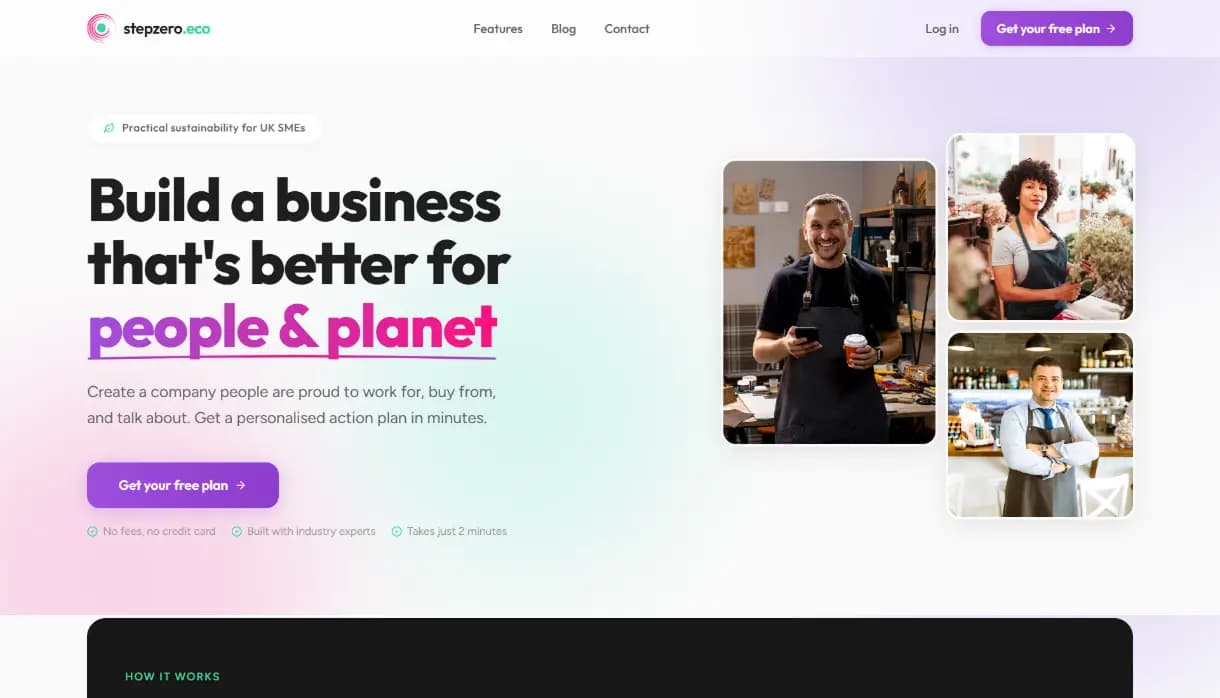
Part 6 of Building StepZero.eco: how we built a sustainability platform from discovery to launch.
The short version
We built stepzero.eco's design system in Phase 1, not "later." Three rules for shapes, colour that carries meaning instead of decoration, and a handful of shared components that each took less than a day to build. During Phase 2, we redesigned four major surfaces simultaneously and needed zero coordination between developers because the system handled consistency automatically. We also tried a clipped-corner card treatment that looked clever in isolation, broke the shape system in practice, and got reverted — which taught us that a design system is as much about knowing when to say no as it is about defining what to say yes to.
"We'll sort the design later." Every early-stage founder has said it. The logic feels sound: ship fast, learn fast, worry about visual consistency when you have got traction. You are trying to prove the idea works, not win design awards, so investing time in a design system before you have paying users feels like polishing something that might not survive.
But here is what actually happens when you defer it. You ship three features in a month. Each one uses slightly different spacing, different shapes, different text sizes. A new developer joins. They copy-paste from whichever page they opened first, because there is no canonical reference for how things should look. Six months in, your product looks like three different apps stitched together, and every visual change requires checking a dozen screens to make sure you have not introduced yet another inconsistency. The cost of not having a design system is invisible at first and then suddenly overwhelming.
We have inherited codebases with exactly this problem. So when we started building stepzero.eco, we made a specific choice: build the design system in Phase 1, not "later." It paid for itself within weeks.
What we tried and reverted
Worth mentioning early: not everything worked first time. We experimented with a clipped-corner visual treatment on cards, cutting one corner at an angle for a distinctive look. It looked interesting in isolation, but the technique broke the rounded corners on the rest of the card. The result was cards with sharp edges that clashed with our shape system, creating exactly the kind of inconsistency a design system is supposed to prevent.
We reverted it. A design system is also about knowing when to say no to clever ideas that break your foundations, even when those ideas come from your own team and look appealing in a standalone mockup. That willingness to revert — to prioritise the system over the individual flourish — is what kept the whole thing honest.
Three simple rules for shapes
The foundation is a strict three-tier system for how elements look. Every visual element falls into one of three categories: containers like cards and panels get the most rounding, interactive controls like buttons and inputs get medium rounding, and small labels like tags and badges get full circles. Three buckets. No fourth category. No special cases.
When a developer asks "what shape should this have?", they classify the element into one of three buckets and the answer is immediate. No design review needed. No message asking "what did we use on that other page?" The decision is already made.
Every design decision that is made once and enforced consistently is a decision that never costs you time again. The accumulated time savings from dozens of these micro-decisions add up to something substantial over the life of a product.
Colour as meaning, not decoration
Colour in stepzero.eco is not decorative. It carries meaning. Purple signals the actions and plan module, where users build their sustainability plan. Green signals the knowledge hub and tools, where users learn and measure. Category colours (yellow, pink, orange) differentiate focus areas like energy, waste, water, and transport.
All of these are defined in a single place. Rebranding or adjusting the palette means changing values once, not hunting through hundreds of screens and hoping you found every instance. For any product that might shift its visual identity — and most early-stage products will, sometimes more than once — that is the difference between a half-day rebrand and a two-week one. And even if you never rebrand, centralised colour definitions mean that a new developer can understand the visual language of the product by reading one file rather than reverse-engineering it from scattered CSS.
Shared components that prevented reinvention
We built a small set of shared components early on, and they prevented the same piece of UI from being rebuilt differently across the product.
- SectionHeader handles every page-level section title with consistent typography and accent colour.
- StaggeredGrid provides a two-column layout with alternating vertical offset for preview card grids.
- StageBadge renders a parallelogram-shaped badge for action stages (Start Here, Go Further, Lead the Way), and the shape is intentional and encoded so no one accidentally changes it.
- ActionCard comes in three variants (preview, compact, plan) with colour-coded left borders already applied.
None of these took more than a day to build. But collectively, they have saved dozens of hours that would otherwise have been spent on "why does this card look different from that one?" conversations in review, or worse, on shipping inconsistencies that no one noticed until a user pointed them out.
The payoff in practice
During Phase 2 of stepzero.eco, we redesigned the dashboard, plan, impact, and explore pages simultaneously. Four major surfaces, all changing at once. In most codebases, that would need alignment meetings, design review sessions, a shared specification file that everyone checks before committing, and probably a round of corrections after the first review reveals that different developers interpreted the spec differently.
We needed zero coordination between developers because the system handled consistency automatically. Every page pulled from the same component library, the same colours, the same shapes, the same text sizes. The four pages looked like they belonged together because they were built from the same parts, and that outcome did not require anyone to be especially careful or especially talented. The system produced it by default.
That is the business outcome of a design system: faster delivery, lower coordination cost, and fewer defects that need rework. It is not about aesthetics for the sake of aesthetics. It is about building a product where quality is structural rather than dependent on individual vigilance.
The compound return on early constraints
If you are building a product and planning to "add a design system later," consider what "later" actually looks like in practice. It means retrofitting consistency onto a codebase that has been actively accumulating inconsistency with every feature shipped. It means negotiating with developers about changing components they already built. It means discovering that your colour palette has seventeen greys because no one ever defined which ones to use.
Starting with constraints is far cheaper than imposing them retrospectively. Define your shape tiers, your colour meanings, and your text size rules before you build your first page. These take an afternoon. Then build shared components as you go, extracting them the second time you build something similar rather than the fifth.
The same logic applies to accessibility. "We'll make it accessible later" is the same trap as "we'll sort the design later." Throughout stepzero.eco, we enforce minimum readable text sizes, keyboard navigation, visible focus indicators, and screen reader labels — not because we are unusually virtuous, but because baking it in from the start is genuinely faster and cheaper than retrofitting it.
A design system is not a luxury for big teams with dedicated design operations. It is a multiplier for small teams shipping fast. The time you invest in week one comes back to you every single week after that.
This is part 6 of the Building StepZero.eco series. Next: how we built community features that people actually have a reason to use. If you are thinking about design systems, consistency, or how to set up foundations that scale, we enjoy that kind of thinking. Get in touch.